From Biddeford to the Philippines
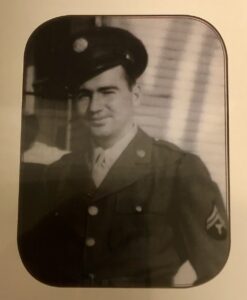
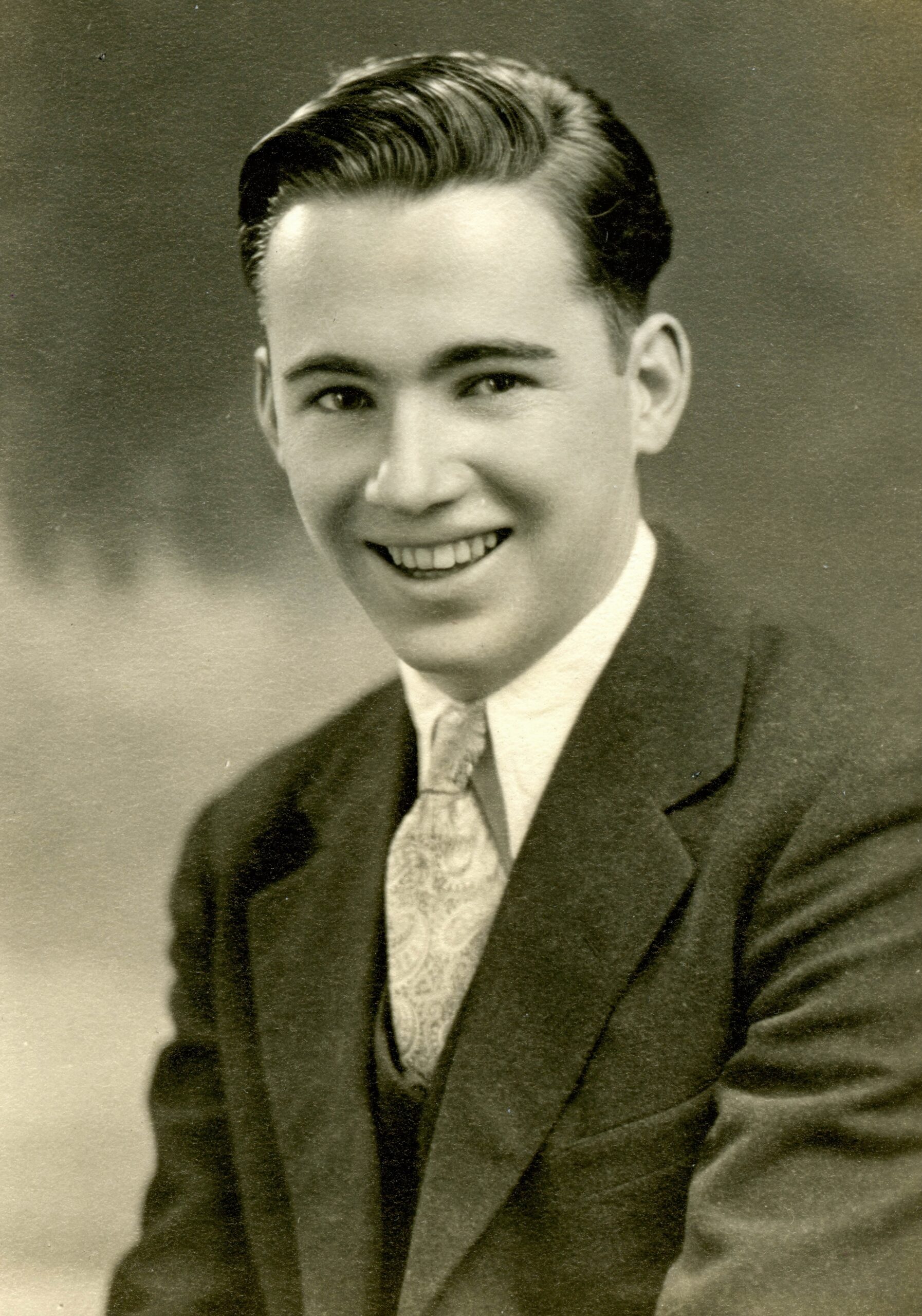
Fran grew up on Western Avenue in Biddeford, attended St. Mary’s School, and continued his education at Biddeford High School.
Coming of age during the Great Depression, he worked in the Pepperell mills and participated in the Civilian Conservation Corps, spending several months working in the forests of northern Maine.
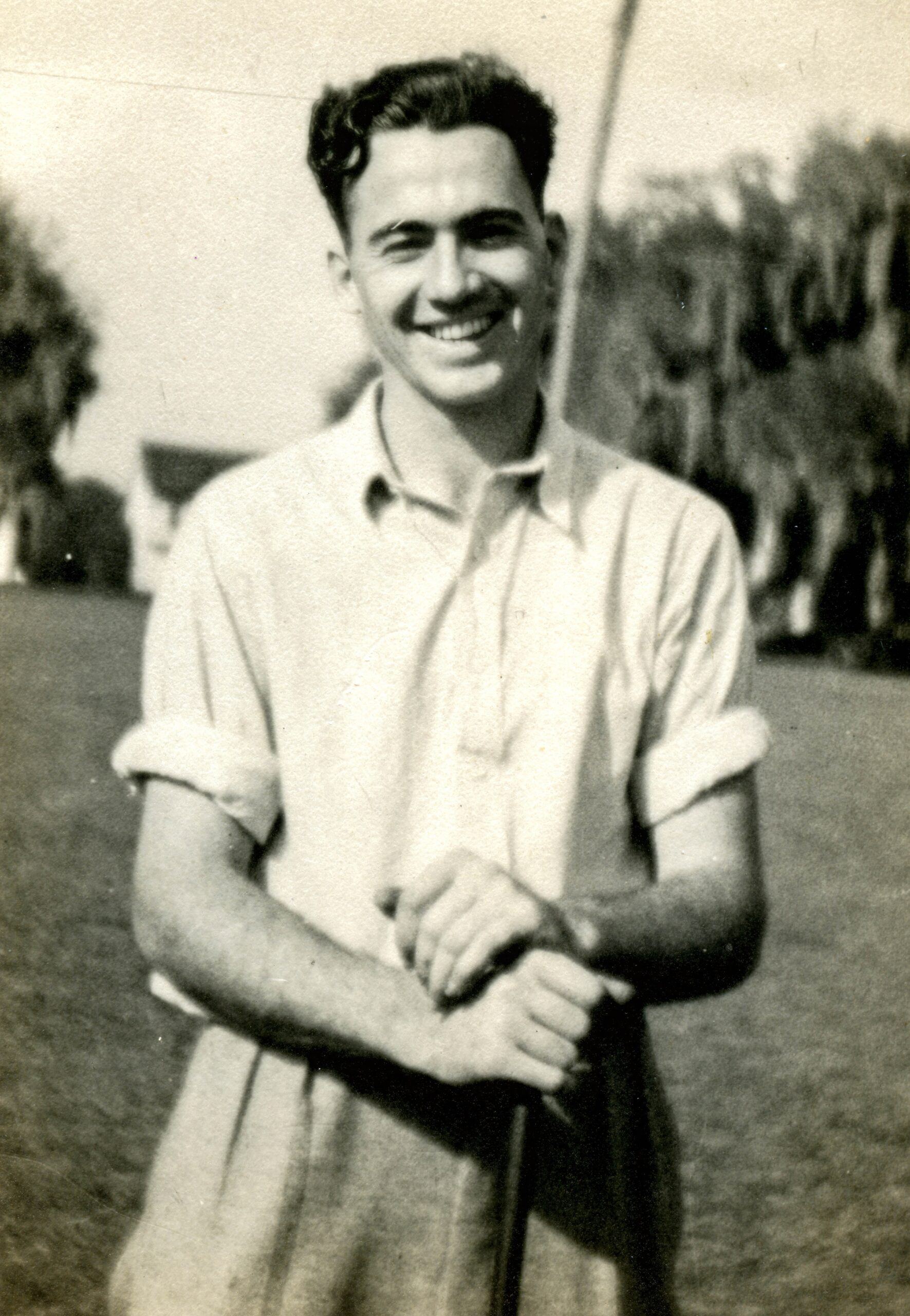
He later found employment in hotels in Kennebunkport and Florida, traveling between the two states as seasonal work became available.
In October 1940, as war continued to spread across Europe, Fran enlisted in the United States Army Air Corps.
After training at Fort Slocum, New York, he was sent to the Philippines and stationed at Nichols Field, near Manila. Although Fran initially hoped to learn to fly, he was assigned to operate a fuel truck servicing military aircraft.
On December 8, 1941, Japanese aircraft attacked American military installations in the Philippines, just hours after news of Pearl Harbor reached the islands.
Fran was driving his fuel truck among aircraft when the bombing began. He abandoned the vehicle and ran for shelter as explosions engulfed the airfield.
The attack marked the beginning of an ordeal that would change his life forever.
The Fall of Bataan and the Death March
Following the Japanese invasion, American and Filipino forces retreated toward the Bataan Peninsula, where they fought desperately despite dwindling supplies of food, ammunition, and medicine.
Fran, originally trained for service in the Army Air Corps, found himself fighting as an infantryman.
As the months passed, starvation, exhaustion, and disease weakened the defenders. On April 9, 1942, American forces on Bataan surrendered.
Fran became a prisoner of war.
He was among the thousands of American and Filipino soldiers forced to endure the infamous Bataan Death March. Already weakened by months of combat, the prisoners were marched through intense tropical heat with inadequate food and water.
Many were beaten or killed. Others died from illness, dehydration, and exhaustion.
Fran survived the march, but his captivity was only beginning.
More Than Two Years in Japanese Prison Camps
Fran endured imprisonment in several Japanese prisoner-of-war camps, including Camp O’Donnell, Cabanatuan, and Davao.
The conditions were frequently brutal. Food was scarce, disease was widespread, and prisoners were subjected to exhausting forced labor.
One of the most remarkable aspects of Fran’s survival was the bond he formed with two fellow prisoners.
One was Jimmy Pidlusky of New Jersey. The name of the third man was not preserved in Mike’s account.
Together, the three men formed a small group determined to help one another survive. They shared whatever food they could find, cared for each other during bouts of malaria and dysentery, and supported one another when injuries or exhaustion threatened their lives.
Their commitment extended even to sacrificing portions of their own meager food supplies to help a companion who had been weakened by illness or forced labor.
Fran worked in rice fields and was also assigned to help remove the bodies of prisoners who had died.
The experiences were physically and emotionally devastating. Yet Fran and his companions continued to find ways to survive another day.
Their loyalty and resourcefulness became essential to their endurance.
September 7, 1944: The Sinking of the Shinyo Maru
In September 1944, Fran and hundreds of fellow prisoners were placed aboard the Japanese transport ship Shinyo Maru.
The prisoners were confined in overcrowded holds under appalling conditions, with little food, water, or sanitation.
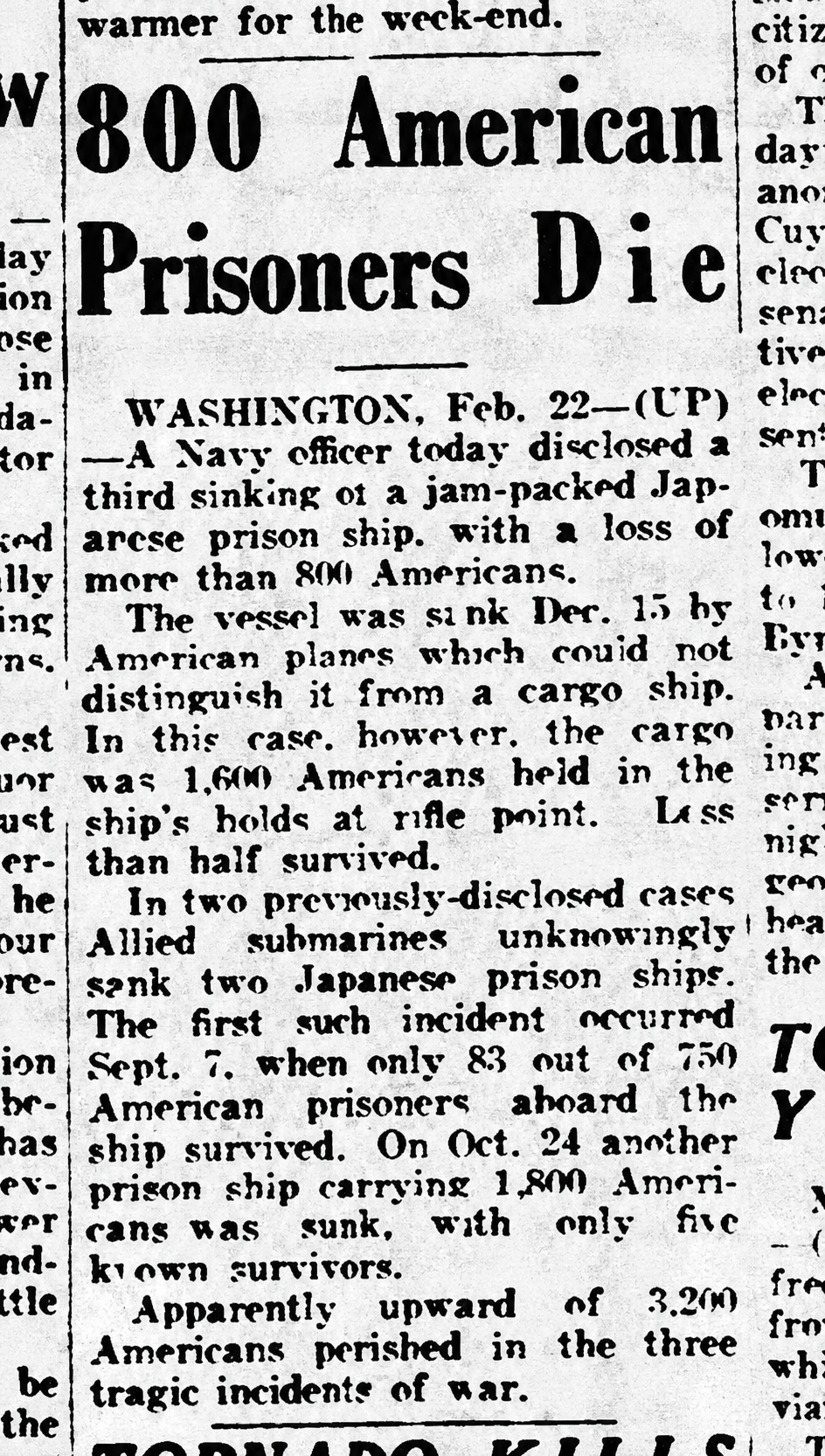
On September 7, the American submarine USS Paddle, unaware that American prisoners were aboard, torpedoed the vessel.
The sinking caused chaos.
Fran later described his desperate escape from the ship as Japanese soldiers attempted to prevent prisoners from reaching safety.
After struggling free, he found himself in the water, weakened by years of captivity and facing a long swim toward shore.
In those desperate moments, Fran remembered his childhood in Biddeford and the countless hours he had spent swimming in the Saco River.
He later told Mike how grateful he was that he had learned to swim so well.
Those childhood skills became crucial to his survival.
Fran reached shore, where Filipino resistance fighters helped protect and shelter him and the other surviving prisoners.
The Filipinos provided food, medical assistance, and protection while arrangements were made for their evacuation.
Eventually, an American submarine rescued the survivors.
For the first time in more than two years, Fran was free.
His Survival Makes the News
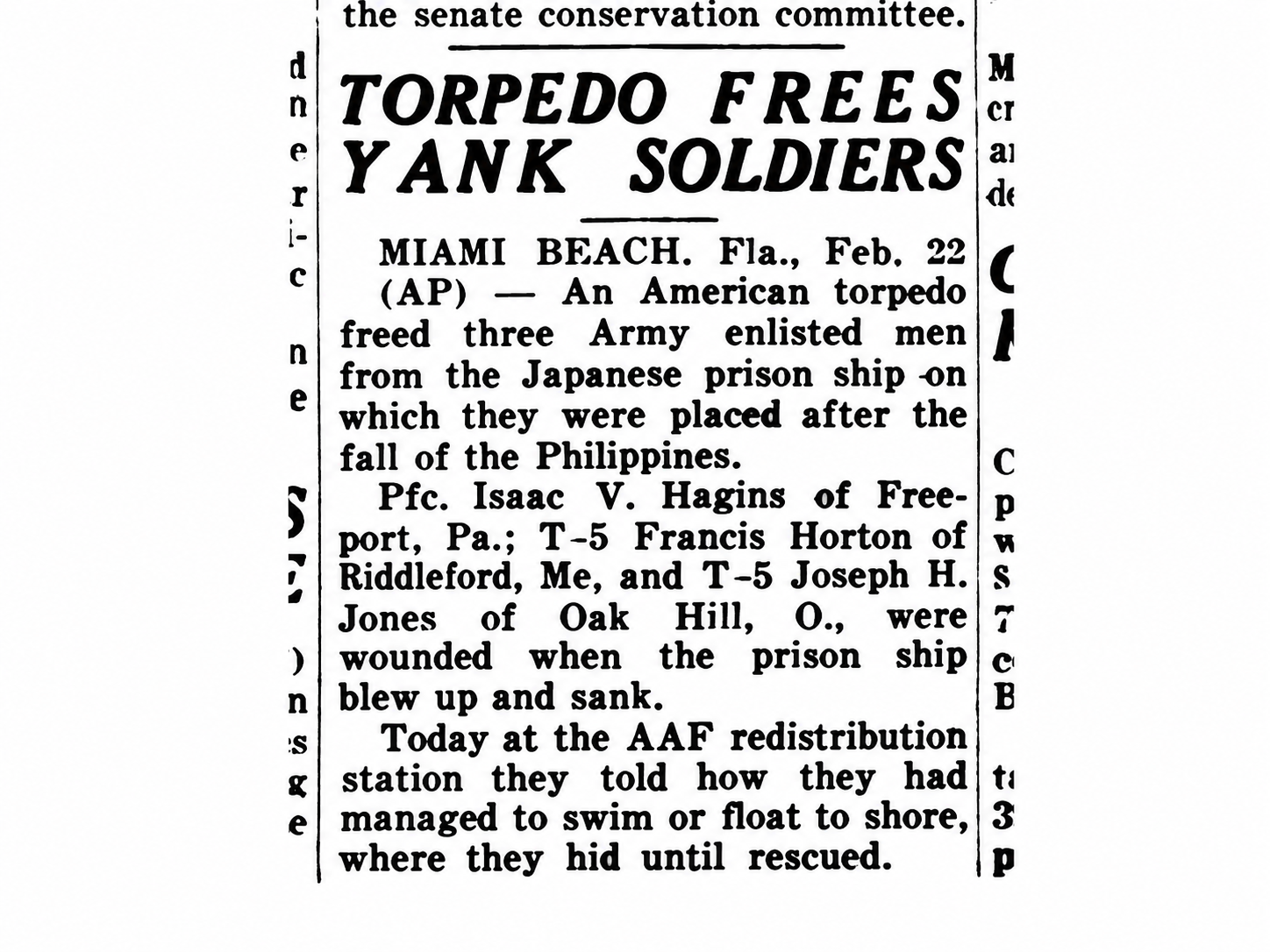
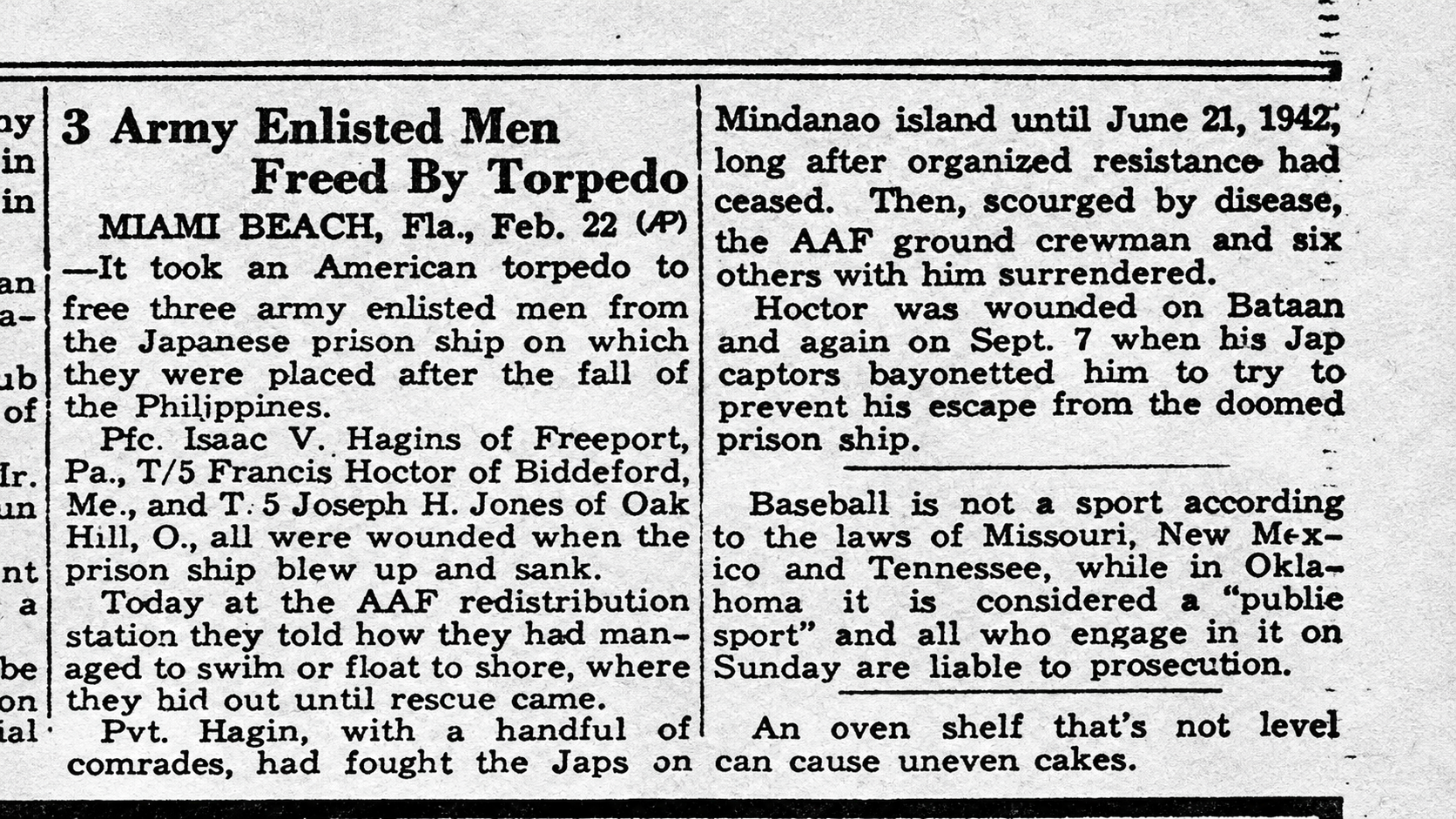
In February 1945, newspaper reports identified Francis Hoctor of Biddeford among the American servicemen who had survived the sinking of a Japanese prisoner transport.
An Associated Press article dated February 22, 1945, named three servicemen: Pfc. Isaac V. Hagins of Pennsylvania, Technician Fifth Grade Francis Hoctor of Biddeford, and Technician Fifth Grade Joseph H. Jones of Ohio.
The report described how the men had managed to swim or float to shore, where they hid until rescued.
Another account published that day reported that Fran had been wounded on Bataan and again during his escape from the sinking vessel.
These contemporary newspaper accounts provide an important historical connection to the experiences Fran later shared with Mike.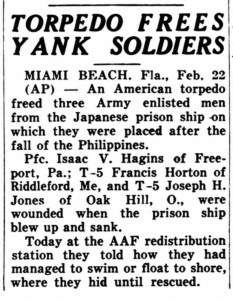
This Associated Press newspaper report identifies Francis Hoctor of Biddeford, Maine, among three American servicemen who survived the sinking of a Japanese prisoner-of-war transport.
Historical newspaper clipping, February 22, 1945. Original preserved for the BCHC historical collection.
The Long Journey Home
Fran survived the war, but liberation did not erase what he had endured.
Severely malnourished, he required extensive medical treatment and rehabilitation. According to Mike’s account, Fran weighed approximately 85 pounds when he reached a military hospital in Brisbane, Australia.
The effects of disease, starvation, and physical abuse were accompanied by emotional wounds that would remain long after his return to Maine.
Fran received treatment in military hospitals, including the Veterans Affairs medical center at Togus.
Returning to civilian life proved difficult. Mike recalled that Fran suffered from periods of insomnia, painful memories, and struggles with alcohol as he attempted to adjust to life after captivity.
Throughout those difficult years, his family remained an important source of support.
The Hoctor Family and Mt. Pleasant Street
Fran belonged to a large Biddeford family whose connections to the community extended well beyond his military service.
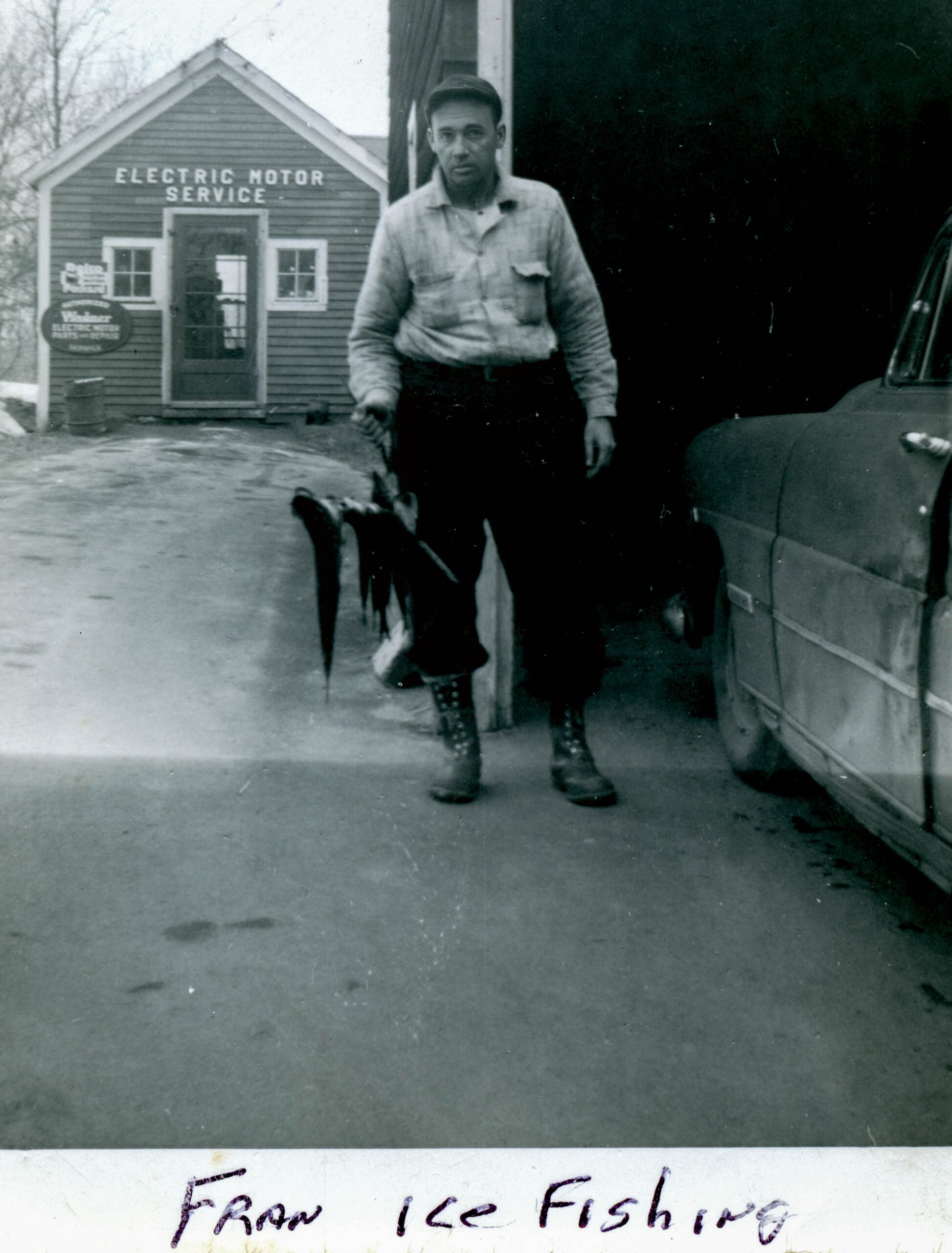
His nephew Mike grew up at the Hoctor family home at 16 Mt. Pleasant Street, where the family’s electric motor repair business operated.
The building, remembered as Hoctor’s Electric Motor Shop, appears in one of the photographs Mike shared showing Fran returning from ice fishing.
The family home was a place where Mike spent much of his childhood surrounded by his aunts and uncles.
Fran became especially important to him.
Mike had lost his mother at birth, and his father, Jim Hoctor, worked long hours on the railroad, helping transport mail between Maine and Massachusetts.
When Mike’s father died in August 1962, while Mike was still in high school, Fran and his brother Joe became even more important father figures in his life.
Fran offered companionship, support, and guidance during Mike’s formative years.
The Uncle Known as “Danny”
One of Mike’s most treasured memories involves the nickname he gave Fran as an infant.
When Fran returned from the war, Mike was too young to pronounce his uncle’s name.
Instead, he began calling him “Uncle Danny.”
The name stayed with them for the remainder of Fran’s life.
Their relationship continued as Mike grew older. After Mike earned his master’s degree in education from the University of Maine in Orono, Fran accompanied him to Florida as he began his teaching career in Titusville.
Although Mike eventually settled in Florida with his wife Lorraine, the family maintained strong ties to Biddeford and returned to Maine during the summers.
Those visits allowed Mike and Fran to remain close throughout their adult lives.
Fran and Becky: A Life Beyond the War
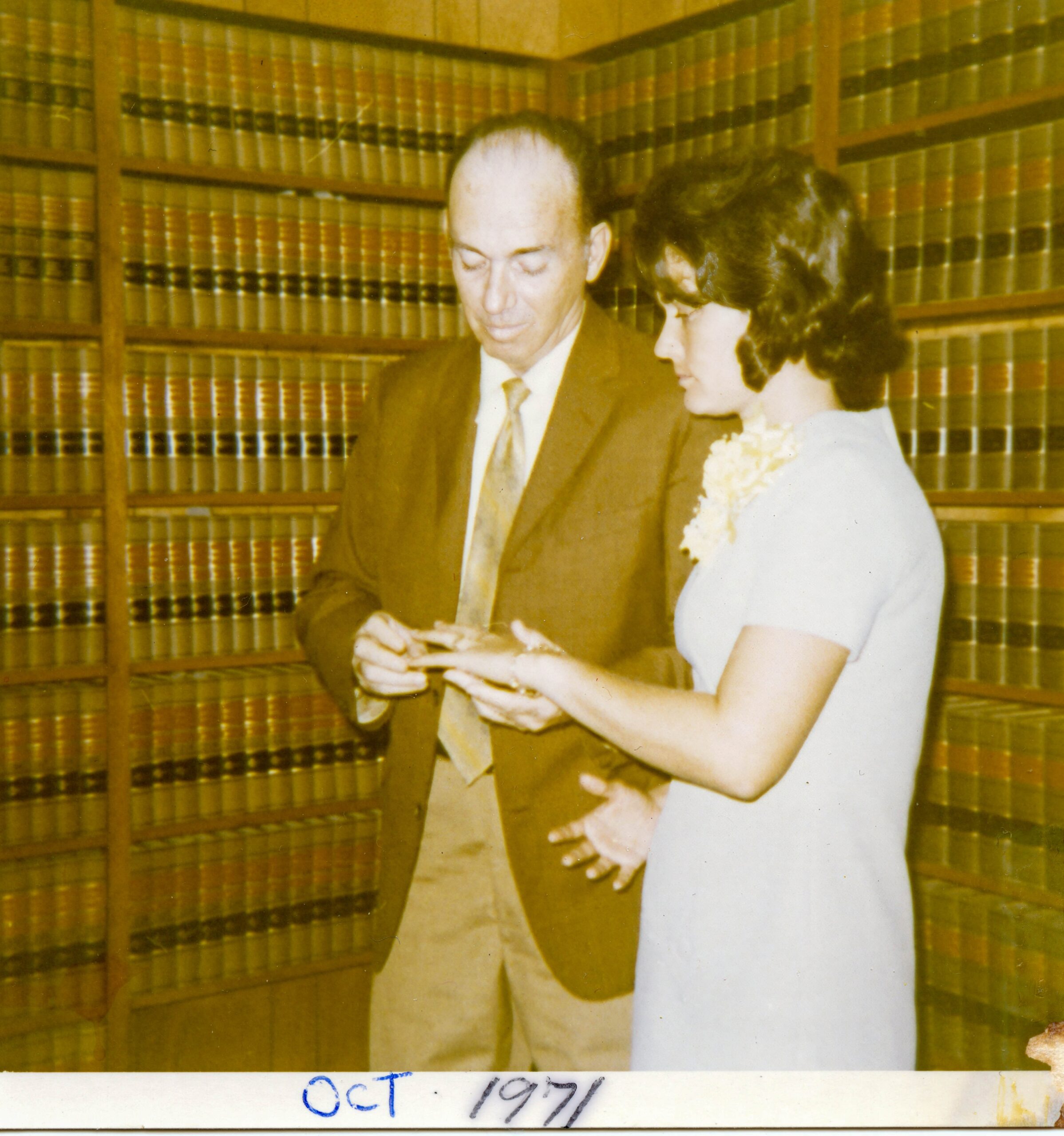
In October 1971, Fran married Becky Poirier in Florida.
Mike and his wife Lorraine served as witnesses at the ceremony.
Becky became a beloved member of the extended Hoctor family and was especially close to Mike and Lorraine’s three sons, Jim, Tom, and Dan.
Mike remembered her participation in family activities, including fishing trips that helped inspire the boys’ lifelong interest in boats and fishing.
Fran and Becky later made their home on Huff Road in Lyman, Maine.
Their marriage represented an important chapter of Fran’s life after the war, offering companionship and family connections following years marked by hardship.
Photographs of their wedding and later family celebrations provide a glimpse of the quieter, happier moments of Fran’s life.
His Later Years in Lyman
Becky died in 1998, several years before Fran’s passing.
Following her death, family members and neighbors helped ensure that Fran received the care and companionship he needed.
Mike returned to Maine during the summers and helped care for his uncle.
During the months when Mike was in Florida, Barbara and Eric Boyden and their family, who lived near Fran in Lyman, provided important support.
Their kindness and dedication allowed Fran to remain connected to his home and community during his later years.
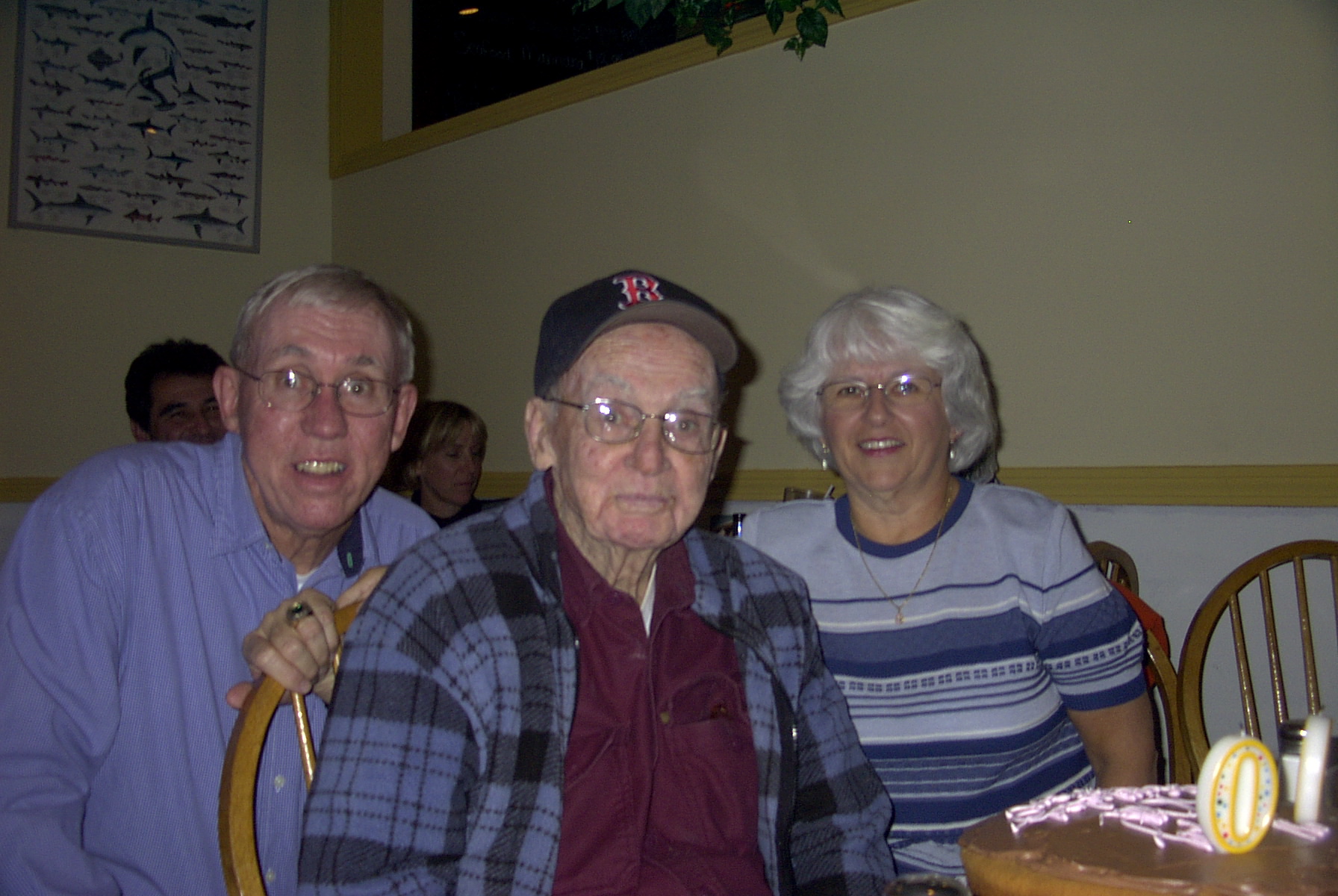
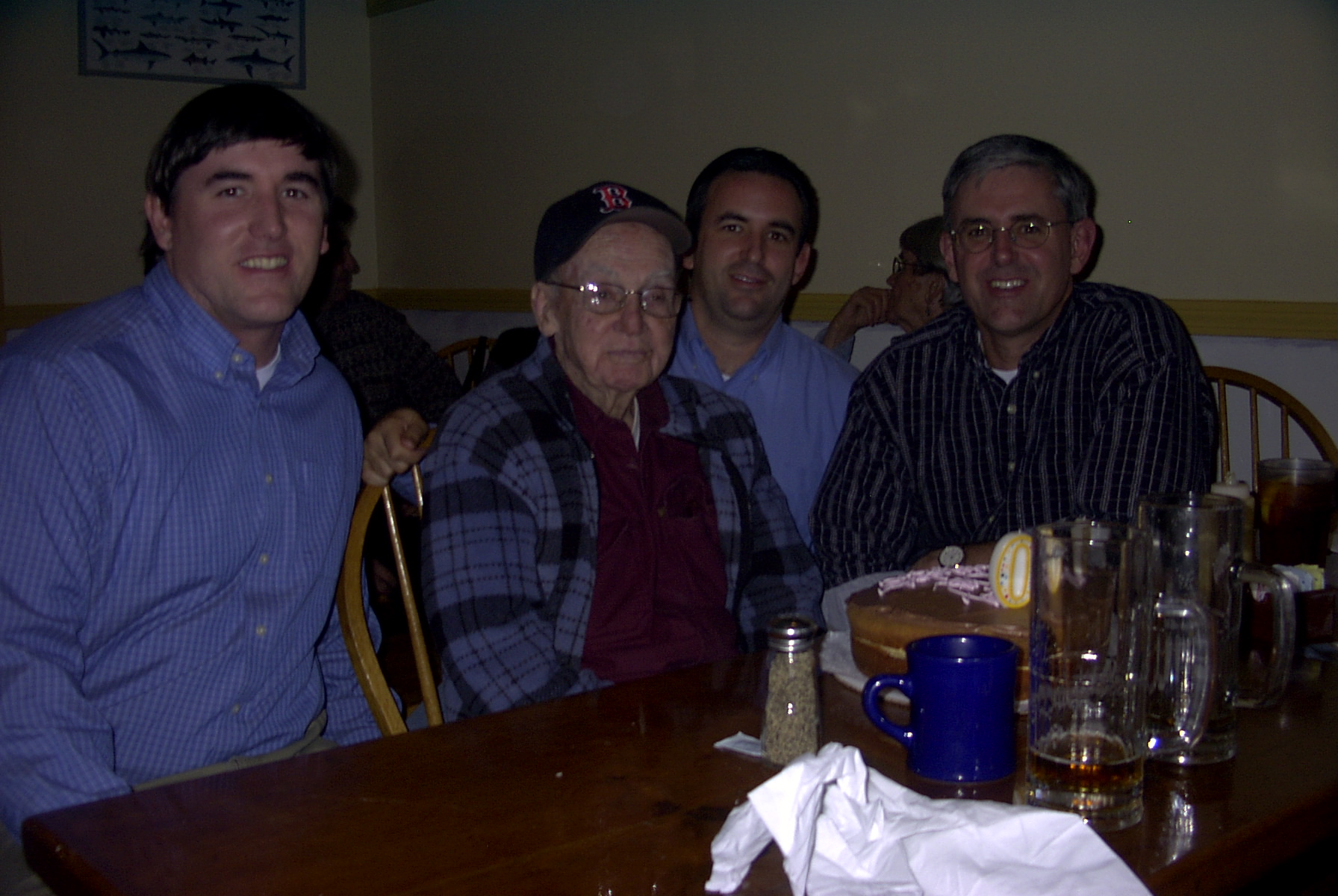
One particularly meaningful occasion was Fran’s 90th birthday in October 2005.
Family photographs from the celebration show Fran surrounded by loved ones, including Mike, Lorraine, and their sons.
These images are a reminder that Fran’s legacy extended far beyond his military service.
Preserving the Memories He Rarely Shared
For much of his life, Fran spoke very little about his years as a prisoner of war.
Mike recalled that during his childhood, Fran rarely discussed the experiences he had endured in the Philippines.
Only during Fran’s later years did he begin sharing more of those memories.
Recognizing their importance, Mike recorded their conversations and spent five years researching the historical circumstances surrounding his uncle’s experiences.
The resulting manuscript, Fran Hoctor — World War II, brings together those personal recollections and the broader history of the Bataan Death March, the Japanese prison camps, and the sinking of the Shinyo Maru.
The account has also been shared with the National WWII Museum in New Orleans and the National Prisoner of War Museum in Georgia.
Mike’s work ensures that the experiences Fran once found so difficult to discuss will remain available to future generations.
A Final Tribute at Togus
In August 2006, as Fran’s health deteriorated, Mike and Barbara helped arrange for his transportation to the Veterans Affairs medical center at Togus, Maine.
Mike accompanied his uncle to the hospital.
When hospital staff learned of Fran’s military history, they rose and saluted him.
Mike later recalled one attendant addressing Fran with words that stayed with him:
“Sir it is an honor to serve you, during your stay here at Togus”.
Fran died on August 12, 2006, at the age of 90.
His military decorations included the Purple Heart, recognizing the wounds he sustained during his service.
But his legacy cannot be measured solely by medals or military recognition.
He was a survivor, a husband, an uncle, a friend, and a member of the Biddeford community whose story deserves to be remembered.